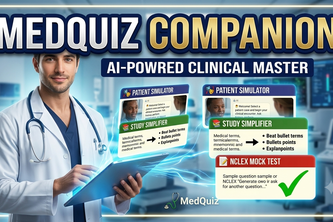
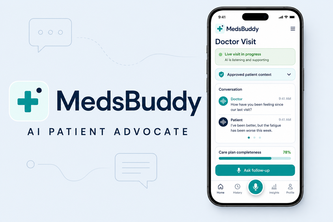
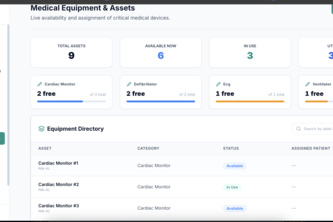
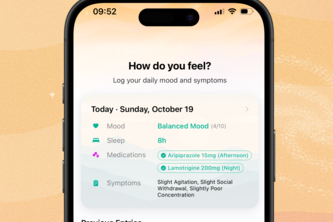
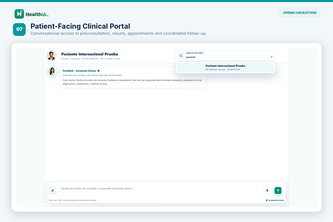
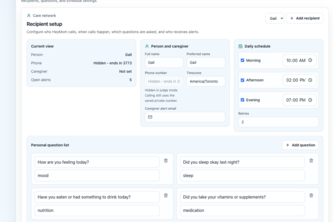
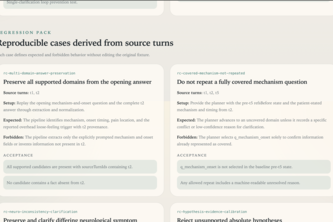
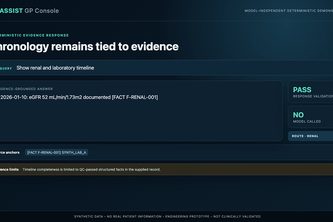
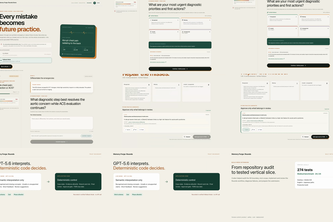
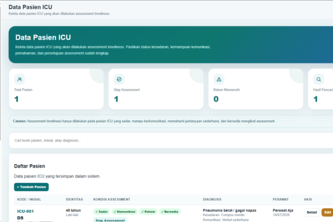
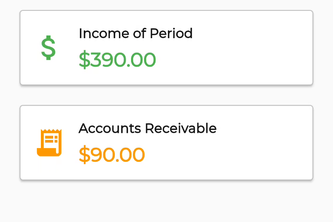
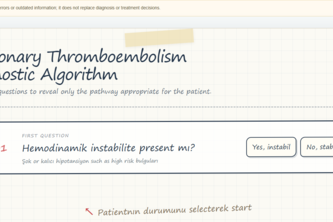
These are AI healthcare projects submitted to OpenAI's 2026 hackathon on Devpost. Many work on the tasks around care rather than diagnosis: clinical notes and shift handoffs, patient intake and triage, discharge instructions, medication reminders, claim denials and training for medical students. Each idea page links to the original submission and a generated analysis. Descriptions are self-reported by the teams, and these are hackathon projects, not products in clinical use.
Healthcare is a hard market for a first product. Patient data falls under rules such as HIPAA in the US and GDPR in Europe, so founders need to plan for consent, access logs and where data is stored from the first version. Anything that suggests a diagnosis or treatment may need clinical validation and, in some markets, regulatory clearance. Hospitals and clinics also expect new tools to fit their EHR rather than add another login. That is why many of these projects keep a clinician approving every output.
If one of these ideas is close to yours, a narrow first version usually teaches more than a full platform: one user, one workflow, test data before real patient records. A minimum viable product or a clickable prototype lets you test it with clinicians or patients before you build integrations.
170 ideas in this list · 56 with at least one like · ranked by community likes, then comments
Frequently asked questions
- Do I need HIPAA compliance for an AI healthcare MVP?
- It depends on the data and who you work with. In the US, a product that handles protected health information for clinics, hospitals or insurers usually falls under HIPAA, and your vendors, including an AI model provider, may need a business associate agreement. A first version can often avoid the question by using synthetic or de-identified data. Ask a healthcare lawyer before real patient records enter the system, and check GDPR if you serve people in Europe.
- When does an AI health app count as a medical device?
- Regulators look at the intended use. Software that diagnoses, predicts a condition or recommends a treatment for a specific patient can count as a medical device under FDA rules in the US or the MDR in the EU. Tools for scheduling, billing, documentation drafts or general education usually do not. Many projects on this page stay on the safer side by keeping a clinician as the decision-maker. Confirm your own case with a regulatory specialist.
- Should a healthcare MVP integrate with an EHR from day one?
- Usually not. EHR integrations through standards such as HL7 FHIR take time, and each hospital may need its own approval and setup. A first version can work from exports, copied text or the patient's own records to show that the workflow helps. Once a clinic agrees to pilot it, the integration becomes a concrete, scoped task instead of a guess.
- How do I validate an AI healthcare idea before building it?
- Talk to the people who would use it daily, such as nurses, front-desk staff, billing teams or patients, and watch the workflow you want to change. Ask what they do today and what a mistake costs. A clickable prototype shown to a handful of clinicians often reveals more than a working model. Also find out who would pay: patients, clinics, insurers and employers buy in very different ways.
Source: openai.devpost.com project gallery.
An independent guide by KFG International LLC — not affiliated with, endorsed by, or connected to Devpost or OpenAI.
Are you the author of a project listed here? Request removal or a correction (support@kfginternational.com). Requests from authors are acted on within 48 hours, and in any case within seven days. Privacy notice.