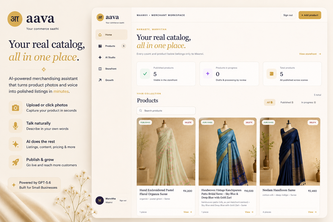
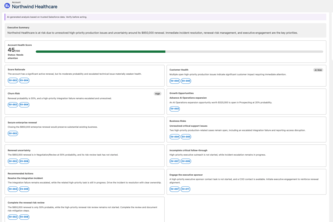
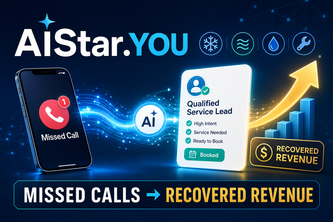
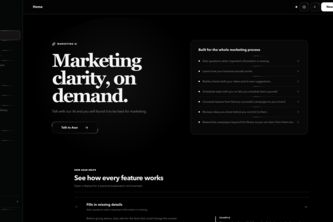
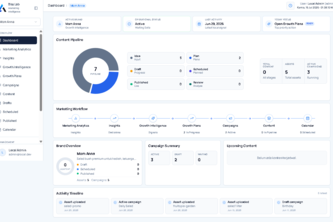
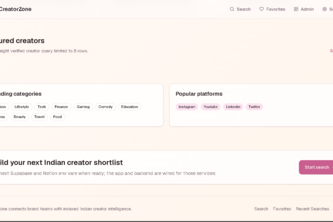
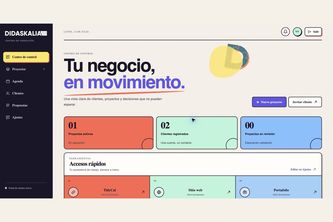
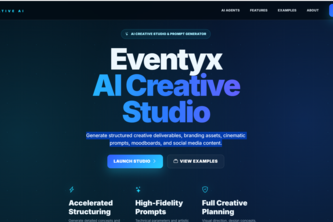
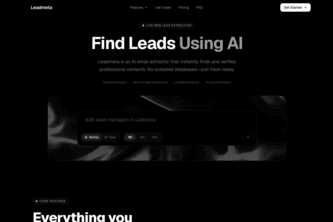
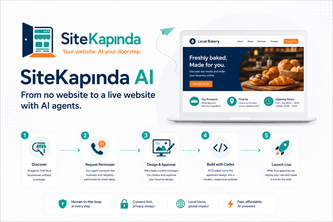
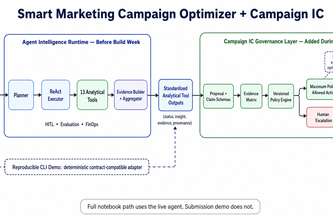
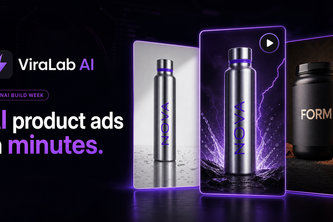
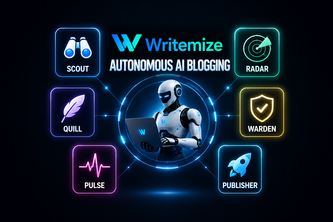
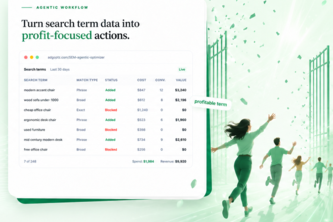
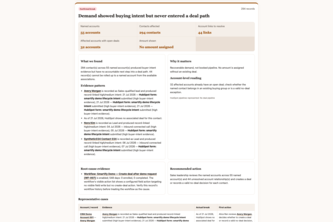
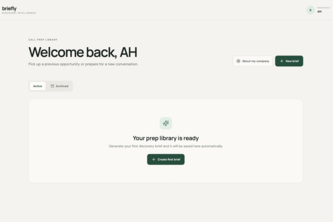
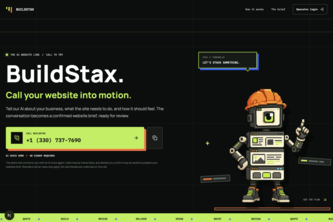
These AI projects were built for marketing and sales work during an OpenAI hackathon in 2026 and published on Devpost. They find and qualify leads, answer inbound inquiries before they go cold, draft and schedule social posts, audit sites for search and AI answer engines, keep CRM records accurate and turn RFPs into draft proposals. Each one is a hackathon project: the description is the team's own, and the analysis on its idea page is generated from that description. None of them should be read as a product in production.
The hard parts are rarely the text generation. Social platforms gate publishing and data behind app review, rate limits and terms that forbid scraping, so a scheduler or influencer finder depends on what the official APIs allow. Cold email falls under laws such as CAN-SPAM and GDPR, and mailbox providers like Gmail enforce bulk-sender rules on authentication, unsubscribe links and spam complaints. Brand safety calls for a human review step before anything goes live, and search engines treat mass-produced pages as spam. Most sales tools also have to read from and write back to a CRM such as HubSpot or Salesforce without corrupting its records.
If one of these is close to what you want to build, start with one channel and one integration, and test a minimum viable product with a few users on their own accounts. Most of the projects here are browser dashboards, the kind of product covered by web app development.
117 ideas in this list · 32 with at least one like · ranked by community likes, then comments
Frequently asked questions
- Can an AI tool post to Instagram, TikTok or LinkedIn for its users?
- Usually, through the official APIs, but with conditions. Meta, TikTok and LinkedIn require app review or partner approval before an app can publish for other people's accounts, and they limit which account types and post formats are supported and how many requests you can make. Scraping profiles or driving a personal account through a browser often breaks the terms of service and can get accounts banned. Check what each API permits for your exact use case before you design the product around it.
- How do AI outreach tools stay out of the spam folder?
- By sending less and sending properly. Authenticate the sending domain with SPF, DKIM and DMARC, warm up new inboxes, keep daily volumes low, honor opt-outs at once and stop a sequence when someone replies. CAN-SPAM in the US and GDPR in the EU set rules for sender identification, unsubscribe links and the use of personal contact data, and automated calls and texts add further rules. Personalized copy does not fix a bad list, so verify addresses before you send.
- Is it safe to publish AI-written SEO content at scale?
- Google's spam policies name scaled content abuse: many pages made mainly to rank, whatever tool produced them. AI-assisted pages can still rank when each one gives a reader something useful, such as original data, a real example or expert review. Tools that audit a site, find gaps or draft for an editor carry less risk than ones that publish unattended. Build in a review step and track indexing and traffic per page rather than page count.
- What does it take to connect an AI sales assistant to a CRM?
- Start read-only. Pull contacts, deals and activity through the CRM's API (HubSpot and Salesforce both document OAuth access and rate limits) and show suggestions before writing anything back. When you do write, map fields explicitly, log every change and let a person approve changes to deal stages or amounts. Duplicate records and stale fields are common in real CRMs, so plan for cleanup and conflict handling, not only the happy path.
Source: openai.devpost.com project gallery.
An independent guide by KFG International LLC — not affiliated with, endorsed by, or connected to Devpost or OpenAI.
Are you the author of a project listed here? Request removal or a correction (support@kfginternational.com). Requests from authors are acted on within 48 hours, and in any case within seven days. Privacy notice.