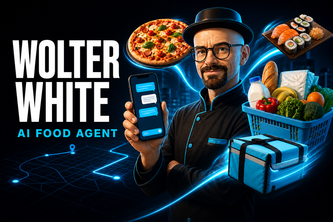
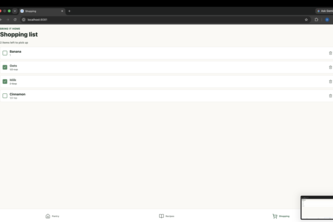
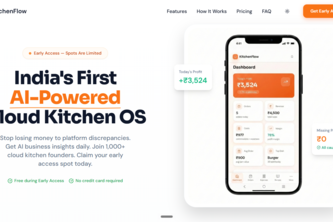
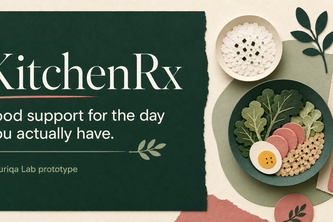
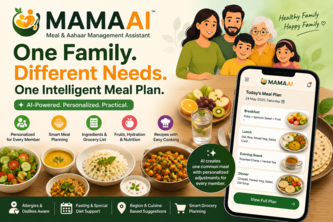
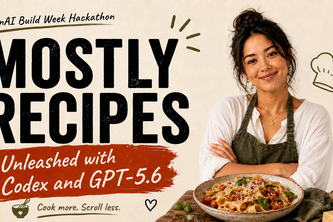
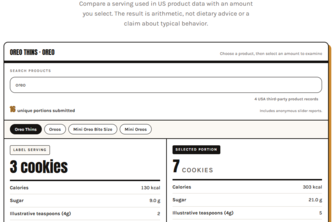
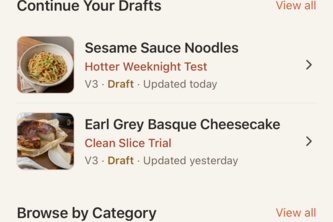
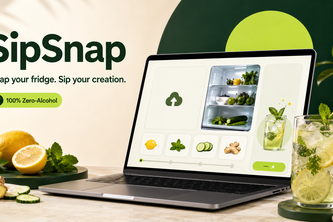
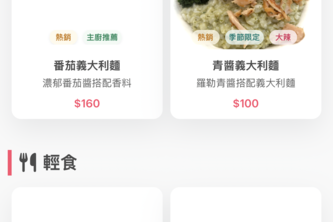
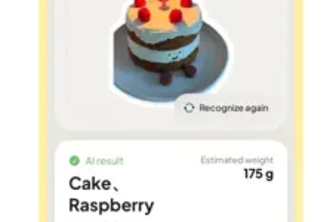
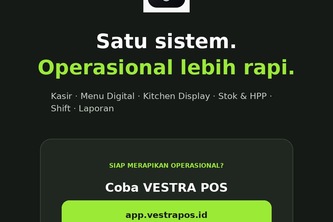
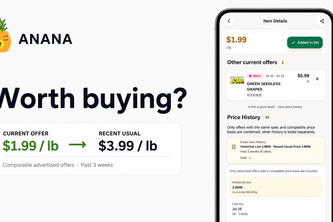
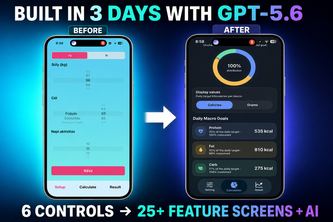
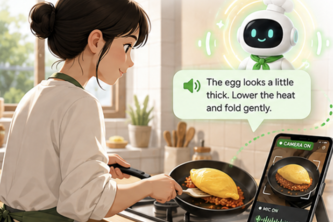
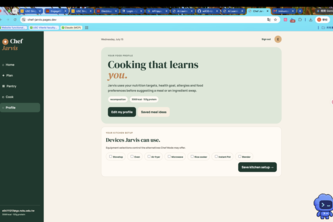
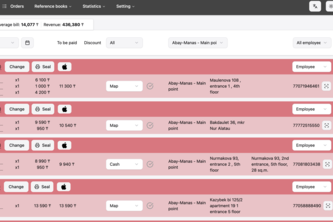
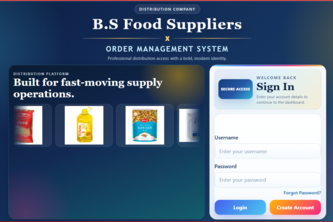
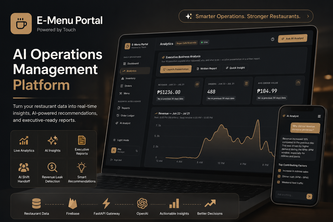
These AI restaurant and food ideas come from OpenAI's 2026 hackathon on Devpost. Each one is a hackathon project: its team wrote the description, and the analysis on its idea page is generated from that description, so read them as prototypes, not products in production. On the restaurant side, teams built AI waiters and phone hosts that take orders, QR ordering and restaurant operating systems, and tools that turn sales and recipe costs into daily advice for owners. At home, the common targets are fridges and pantries that track expiry dates, cooking companions, recipe keepers, meal planners and food logging from a photo.
The hard parts sit around the model. A restaurant tool has to fit the POS and delivery platforms a venue already runs, such as Toast, Square, Uber Eats or DoorDash, and each one decides what an outside app can read and write. Margins are thin and staff are busy, so a tool that adds steps during service rarely survives. Allergen and ingredient data has to be right, because a wrong answer can hurt a guest, and allergen labelling and health claims are regulated in many markets. Kitchen inputs are messy too: photos of shelves and receipts, voice commands over noise, handwritten family recipes.
If one of these ideas fits your market, test the smallest version with one restaurant or a few households first. For the build, see iOS app development, e-commerce development for ordering, or MVP development, and compare plans and pricing.
110 ideas in this list · 25 with at least one like · ranked by community likes, then comments
Frequently asked questions
- Should an AI restaurant product integrate with Toast, Square or DoorDash from day one?
- Usually not for the first test, but plan for it. Owners rarely want to retype orders or menus into another system, so a tool that sits next to the POS has to sync eventually. Each platform has its own partner program, API limits and approval process, and some data is open only to approved partners. A pilot can start from exported sales reports or a menu entered by hand, which shows whether the tool helps before you commit to an integration.
- How should an AI food app handle allergens and dietary restrictions?
- Treat allergen answers as lookups, not something the model guesses. Answers should come from the restaurant's or manufacturer's ingredient records, say clearly when information is missing or a may-contain warning applies, and send people to staff or the label when in doubt. Several projects here keep direct ingredients, trace warnings and incomplete scans apart for that reason. Allergen labelling and health claims are regulated differently by country, so check the rules for your market with a specialist before launch.
- How accurate is food logging from a photo?
- Treat the numbers as estimates. A photo cannot show cooking oil, sauces or hidden ingredients, and portion size is hard to judge from one angle. The projects here improve results by matching packaged food against databases such as Open Food Facts, letting users correct each entry and showing where every number came from. If your product moves beyond logging toward diet or medical guidance, involve qualified professionals and check which health rules apply in your market.
- Should a restaurant or food product be a mobile app or a web app?
- It depends on who uses it and where. Guests ordering at a table usually prefer a QR code that opens a web page to installing an app. Staff often work on shared tablets during service, so speed and large buttons matter more than features. Home users who photograph their fridge or cook with voice guidance get more from a native iOS or Android app with camera access and offline support. Many teams start with one surface and add the other once usage is clear.
Source: openai.devpost.com project gallery.
An independent guide by KFG International LLC — not affiliated with, endorsed by, or connected to Devpost or OpenAI.
Are you the author of a project listed here? Request removal or a correction (support@kfginternational.com). Requests from authors are acted on within 48 hours, and in any case within seven days. Privacy notice.