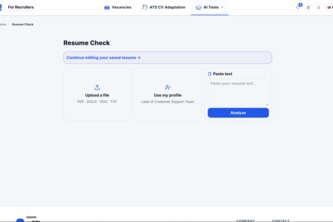
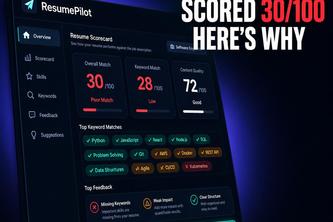
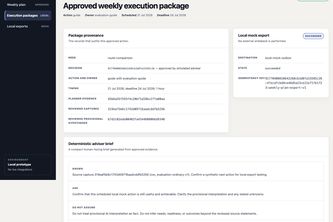
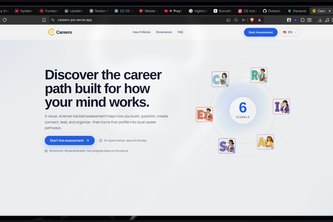
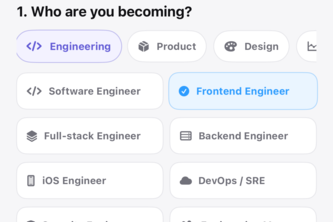
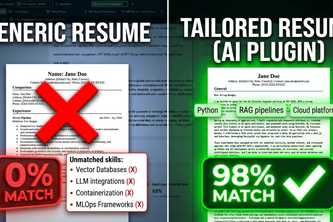
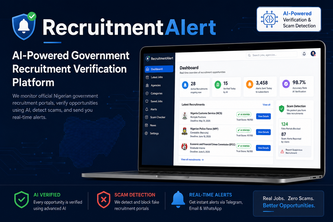
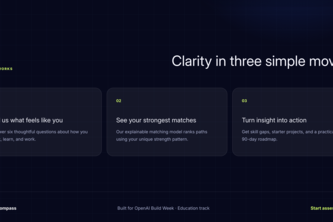
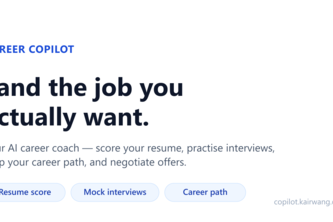
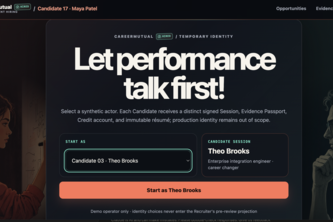
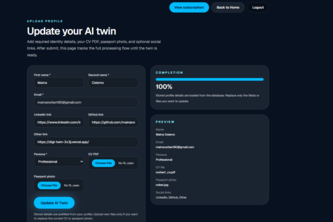
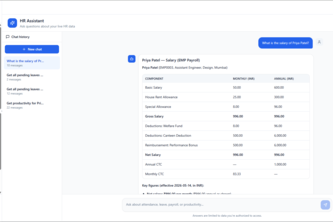
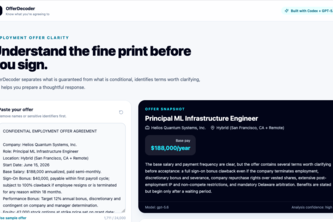
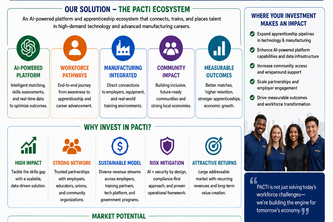
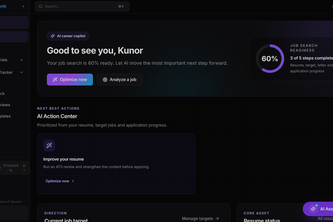
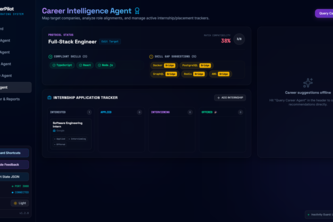
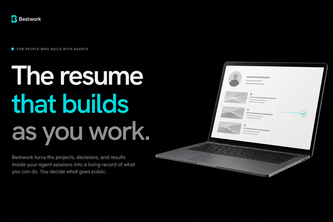
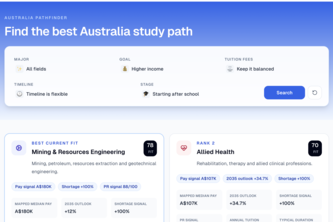
These are AI HR and recruiting projects from OpenAI's 2026 hackathon on Devpost. For job seekers there are tailored resumes, mock interviews built from the candidate's own resume, job-scam checks and offer explainers. For employers there are applicant screening, recruiting pipelines, payroll, shifts and onboarding. Each idea page links to the original submission and a generated analysis. Descriptions are self-reported by the teams, and these are hackathon projects, not products in production.
Hiring is a regulated decision, so the hard part is often not the model. Tools that screen, rank or score candidates must plan for anti-discrimination law, such as the rules the EEOC enforces in the US. New York City's Local Law 144 can require bias audits of automated hiring tools, and the EU AI Act lists AI used in recruitment and worker management as high-risk. Resumes and interview recordings are personal data, so GDPR applies to candidates in the EU and EEA (the UK has its own UK GDPR). Employers also expect a tool to fit their ATS or HRIS, such as Greenhouse or Workday. That is why many of these projects quote evidence for each score and leave the decision to a person.
If one of these ideas is close to yours, start with one side of the market and one workflow: job seekers tailoring applications, or a small recruiting team screening one role. A minimum viable product or a web app that works from uploaded resumes and job posts can show whether people come back before you build integrations. Nothing on this page is legal advice.
88 ideas in this list · 33 with at least one like · ranked by community likes, then comments
Frequently asked questions
- Is it legal to use AI to screen job applicants?
- In most places it is allowed, but it comes with obligations. In the US, an employer can remain responsible under anti-discrimination law if a tool screens out a protected group, even when a vendor built it. New York City requires a bias audit and candidate notice for some automated hiring tools, and the EU AI Act treats recruitment AI as high-risk, with duties around documentation and human oversight. Plan for these before employers use the tool on real candidates, and check the details with an employment lawyer.
- How can an AI hiring tool reduce the risk of bias?
- Start by deciding what the tool may look at. Scoring against the job's stated requirements, with quotes from the resume as evidence, is easier to check than one overall fit score. Leave out names, photos, ages and other details that can stand in for protected traits, and compare results across groups on realistic test data before launch. Keep a person responsible for every rejection, and log the reason for each decision so a later audit has something to review.
- Should a recruiting MVP integrate with an ATS from day one?
- Usually not. ATS and HRIS platforms such as Greenhouse, Lever and Workday offer APIs, but access often depends on the customer's admin or a partner program, and each employer sets up its pipeline differently. A first version can work from uploaded resumes, pasted job descriptions or CSV exports to show that recruiters save time. Once a team agrees to a pilot, the integration with their system becomes a scoped task instead of a guess.
- What should the first version of an AI tool for job seekers include?
- One audience and one step of the search: for example, engineering students applying for co-op roles, or experienced hires preparing for interviews. Several projects here refuse to add skills the candidate never listed, which keeps users from sending applications they cannot defend in an interview. Treat resumes as sensitive data from the start: ask for consent, let users delete their files and do not train models on them without permission. Then watch whether people return for their next application.
Source: openai.devpost.com project gallery.
An independent guide by KFG International LLC — not affiliated with, endorsed by, or connected to Devpost or OpenAI.
Are you the author of a project listed here? Request removal or a correction (support@kfginternational.com). Requests from authors are acted on within 48 hours, and in any case within seven days. Privacy notice.