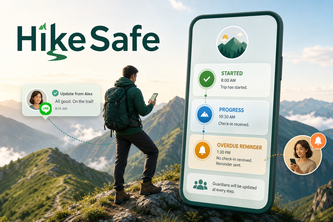
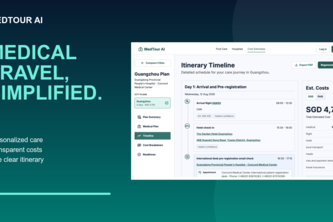
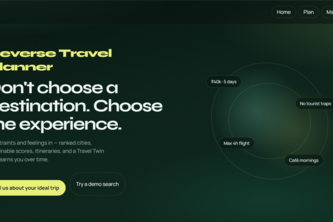
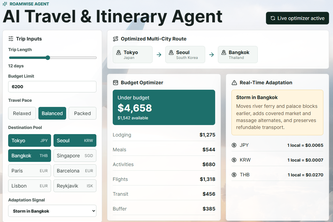
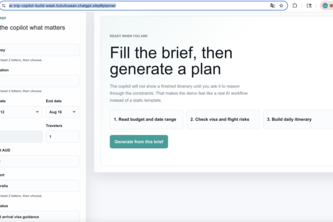
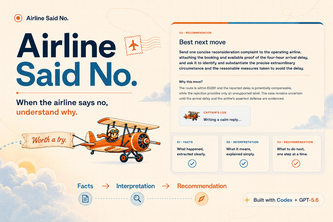
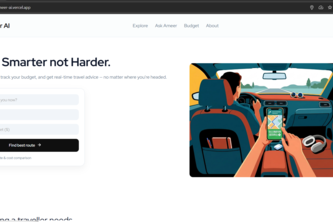
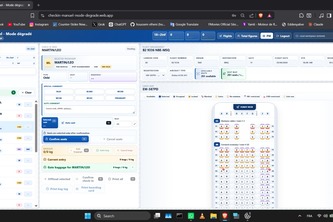
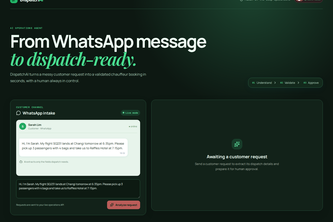
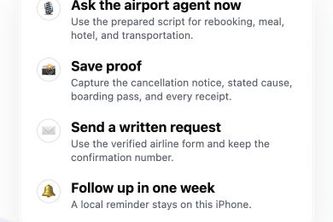
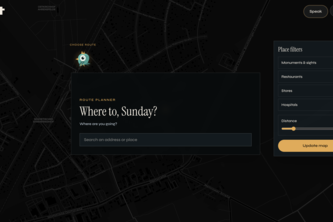
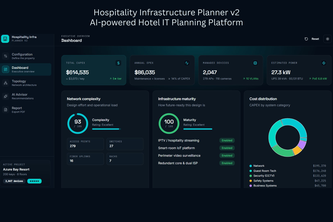
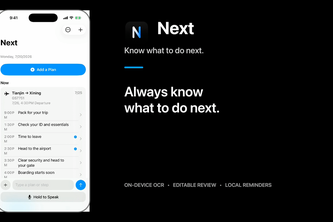
These AI travel and hospitality ideas come from OpenAI's 2026 hackathon on Devpost. Each one is a hackathon project: its team wrote the description, and the analysis on its idea page is generated from that description, so read them as prototypes, not products in production. Most of them help travelers: day-by-day trip planners, shared rooms for group trips, apps that turn booking confirmations into one timeline, help with delayed flights, visa checks and live translation. A smaller set serves the hospitality side, such as hotel revenue reviews, reservations for tour operators and tourist-tax registration.
The hard part is usually the data. Live prices and availability sit behind supplier and distribution APIs, such as a GDS like Amadeus, flight APIs like Duffel, activity marketplaces like Viator, or hotel programs from Booking.com or Expedia, and each sets its own access terms. A model can also recommend a museum that has closed or state a visa rule that has changed, so several of these projects check plans against official sources or live data first. Travelers use these apps abroad, on roaming data or offline. Payments and cancellations, advice that carries liability, and the personal data inside itineraries all need planning from the first version.
If one of these ideas is close to yours, start with one kind of trip or one kind of property, and test it with travelers on a real trip. A clickable prototype or a first iOS app shows quickly whether people keep using it after day one.
86 ideas in this list · 14 with at least one like · ranked by community likes, then comments
Frequently asked questions
- How does an AI travel app get real prices and availability?
- Through supplier and distribution APIs: a GDS such as Amadeus or flight APIs such as Duffel, activity marketplaces such as Viator, and hotel platforms such as Booking.com or Expedia through their partner programs. Airbnb has no open listings API for third-party apps. Access can require approval, a contract or an existing business, and the terms often limit caching and display. Many first versions skip booking and hand the traveler to the provider's site. Confirm which APIs you can use before you design checkout.
- How do I stop an AI trip planner from inventing places or outdated facts?
- Take facts from data, not from the model's memory: a places API for opening hours, official sources for visa and entry rules, live feeds for weather and flight status. Let the model arrange and explain the plan, and show the source and date next to anything a traveler might act on. Some projects on this page describe checking each stop against live data before showing it. Still tell travelers to confirm critical details with the provider.
- Should an AI travel product be a mobile app or a web app?
- Planning often happens on a laptop, but the trip happens on a phone, often abroad on roaming data or with no signal. If your product helps during the trip, with an itinerary, translation, safety check-ins or delay alerts, a mobile app that stores tickets and plans offline is usually worth it. A planning-only tool, or software for hotels and tour operators, can start as a web app. Many teams plan on the web and travel with the app.
- What should a travel startup plan for around payments, cancellations and liability?
- If you take payments, use an established payment provider and decide early who sells the trip: you, or the hotel, airline or tour operator. That choice shapes refunds, chargebacks and, in some markets, travel-seller or package-travel rules. Show each supplier's cancellation policy before payment. Advice on visas, safety or passenger compensation should cite its source and point to the official channel. Check the rules with a lawyer in each market you launch in.
Source: openai.devpost.com project gallery.
An independent guide by KFG International LLC — not affiliated with, endorsed by, or connected to Devpost or OpenAI.
Are you the author of a project listed here? Request removal or a correction (support@kfginternational.com). Requests from authors are acted on within 48 hours, and in any case within seven days. Privacy notice.