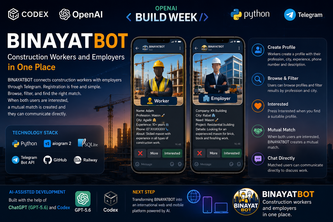
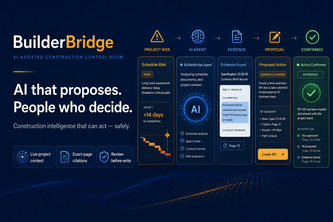
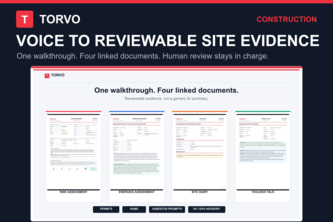
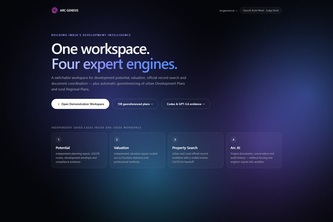
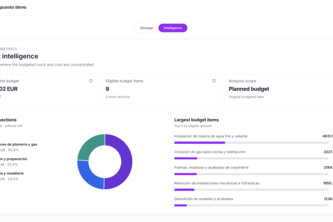
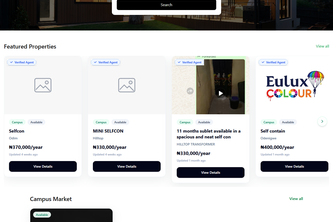
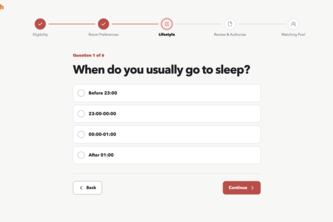
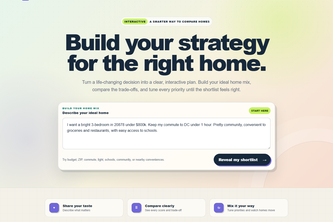
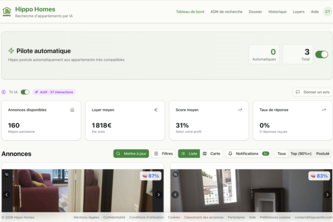
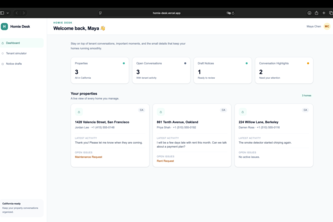
This page collects AI real estate and construction projects from the OpenAI 2026 hackathon on Devpost. Each is a hackathon project with a self-reported description and a generated analysis, not a product in production. On the property side, teams built tools for renters comparing listings and filling in applications, small landlords tracking rent, deposits and notices, buyers ranking homes, and agents answering inquiries. On the construction side, they turned site photos and voice notes into daily reports, tender documents into bid decisions, and floor plans into quotes or code checks.
Listing data usually comes through MLS feeds, portal APIs or agency partners, each with its own license terms, so plan data access before matching features. Tools that screen tenants, rank applicants or write ads must plan for fair-housing rules, which in the US limit what can be used or said. Zoning and building codes vary by city, so an automated check is a draft for an architect or official, not an approval. Job sites bring weak signal, gloves and noise, and the inputs are photos, drawings and PDFs rather than clean data. Because people act on reports and estimates, many projects keep a person signing off.
If one of these ideas is close to yours, start with one user and one document type. A mobile app suits site and photo workflows, while an MVP or a clickable prototype lets you test the flow with landlords, agents or contractors first. Nothing on this page is investment advice.
84 ideas in this list · 23 with at least one like · ranked by community likes, then comments
Frequently asked questions
- Can I use MLS listing data in an AI real estate app?
- Usually only under a license. In the US, listings reach outside products through MLS data feeds such as IDX, normally via a participating broker, with rules on display, attribution and refresh that differ by MLS. Scraping listing portals often breaks their terms. Several projects on this page avoid the question by working from listings the user pastes in or from agency partners. Check the specific MLS's rules before you build matching or alerts on its data.
- How do fair-housing rules affect an AI tenant or buyer tool?
- In the US, the Fair Housing Act bars discrimination in renting, selling and lending based on protected characteristics such as race, religion, sex, disability and familial status, and many states add more. A model that screens applicants, ranks tenants, targets ads or steers buyers toward neighborhoods can create that risk even when nobody intends it. Plan which data the model may use, log its outputs, and ask a housing lawyer to review screening or advertising features. Other countries have their own rules.
- Can AI check building plans against zoning and building codes?
- It can help with a first pass. Projects on this page read site plans or floor plans, compare them with zoning limits or building standards, and show what may not comply. Codes differ by city and edition, and many rules need professional judgment, so the result is a draft for an architect, engineer or permit office to review, not an approval. Plan to link each finding to the rule it cites and to keep the rule set current.
- Should a construction app work offline?
- Often, yes. Basements, new structures and remote sites can have weak signal, and workers capture photos, voice notes and checklists with gloves on. A mobile app that saves entries on the device and syncs later is a common approach, with the AI step running once a connection returns. Keep the capture screen to a few large controls, and test it on a real site before adding dashboards for the office.
Source: openai.devpost.com project gallery.
An independent guide by KFG International LLC — not affiliated with, endorsed by, or connected to Devpost or OpenAI.
Are you the author of a project listed here? Request removal or a correction (support@kfginternational.com). Requests from authors are acted on within 48 hours, and in any case within seven days. Privacy notice.