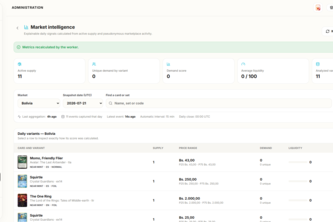
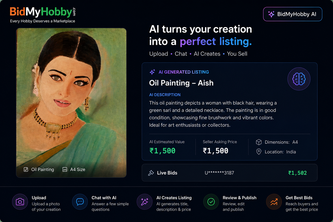
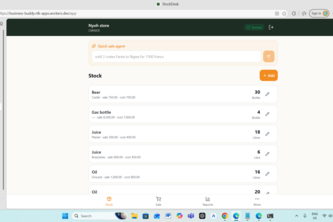
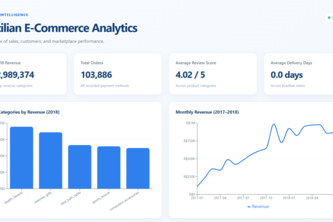
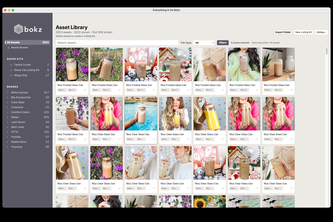
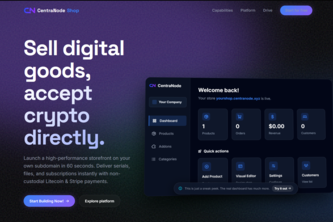
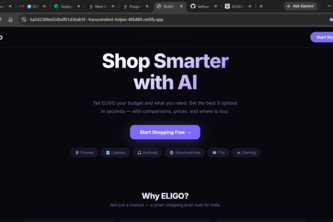
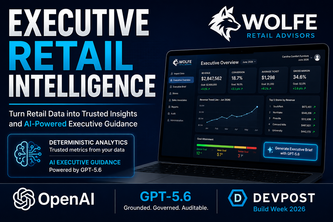
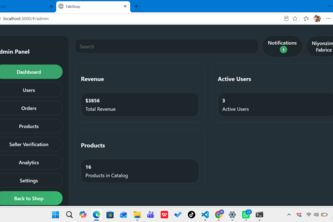
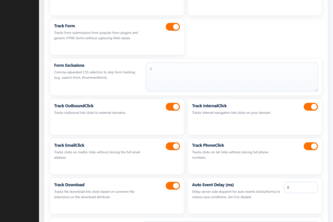
These AI e-commerce ideas come from an OpenAI hackathon in 2026. Each one is a hackathon project: its team wrote the description, and the analysis on its idea page is generated from that description, so read them as prototypes, not products in production. Most of them target a few recurring jobs: turning product photos into listings, helping shoppers compare prices and find deals, running store operations with AI agents that ask before they act, and selling secondhand goods locally.
The hard parts are rarely the model. A store tool lives inside platform APIs and their rules: Shopify, WooCommerce, eBay and Mercado Libre each decide what an app can read, write and publish, and how often. Payments bring refunds, chargebacks and PCI scope. Catalog data is often messy, with missing attributes, duplicate SKUs and supplier feeds in different formats, and an AI that writes listings or answers shoppers is only as accurate as that data. Returns, fraud and fake listings need a human review path, especially on peer-to-peer marketplaces.
If one of these ideas fits your market, start with the narrowest version a real seller or shopper would pay for, and test it on one platform before adding more. For the build itself, see e-commerce development and MVP development, or compare plans and pricing.
86 ideas in this list · 28 with at least one like · ranked by community likes, then comments
Frequently asked questions
- What does it take to turn an AI e-commerce hackathon project into a real product?
- Usually the AI is the smallest part. A working product needs a stable integration with the store or marketplace platform, merchant accounts and permissions, a review step before anything is published or changed, logs so mistakes can be traced, and handling for cases a demo skips, such as out-of-stock items, partial refunds and multiple currencies. Confirm demand with a few real sellers or shoppers before building all of it.
- Should I build a Shopify or WooCommerce app, or my own store platform?
- If your customers are merchants, build where they already sell. A Shopify app or WooCommerce plugin reaches existing stores, but you accept the platform's API limits, review process and fee rules. A custom storefront or marketplace gives you full control of data and checkout, and also makes you responsible for payments, hosting, security and every feature merchants expect. Many teams start on one platform and expand later.
- How reliable are AI-generated product listings and shopping answers?
- They are only as good as the data behind them. A model can misread a photo, invent a specification or quote an outdated price, and on a live store that turns into returns and complaints. The projects here mostly handle it with a human review step, answers grounded in the actual catalog or product feed, and a rule to say "I don't know" when the data is missing. Plan for those controls in the first version.
- What should an AI shopping or marketplace product plan for around payments, returns and fraud?
- Use an established payment provider instead of handling card data yourself, which reduces your PCI compliance scope. Decide early who issues refunds and how returns are tracked, because an agent that can buy can also make purchases that need undoing. Marketplaces also need seller verification, listing moderation and a dispute process. The rules vary by country and platform, so check them before launch.
Source: openai.devpost.com project gallery.
An independent guide by KFG International LLC — not affiliated with, endorsed by, or connected to Devpost or OpenAI.
Are you the author of a project listed here? Request removal or a correction (support@kfginternational.com). Requests from authors are acted on within 48 hours, and in any case within seven days. Privacy notice.