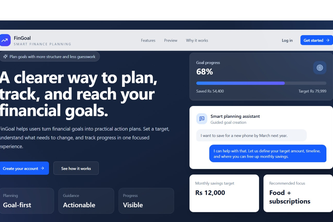
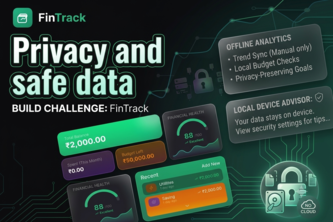
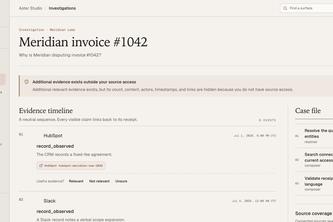
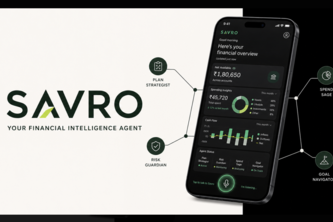
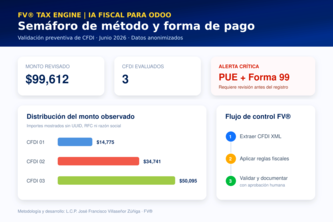
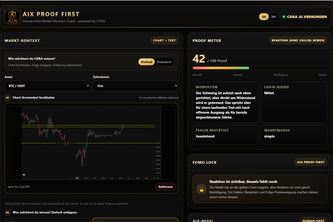
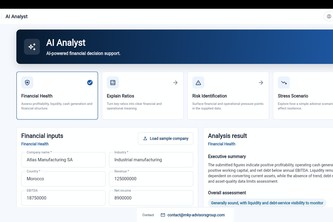
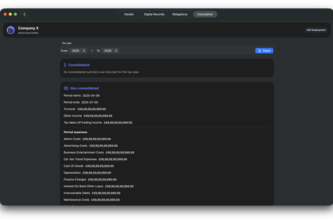
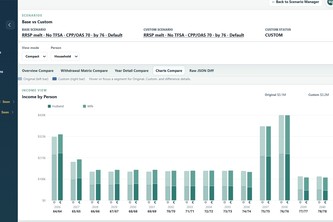
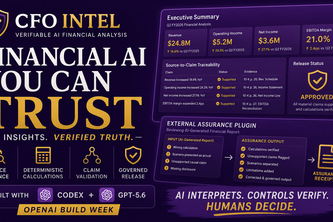
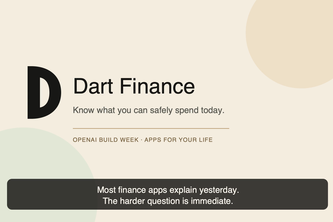
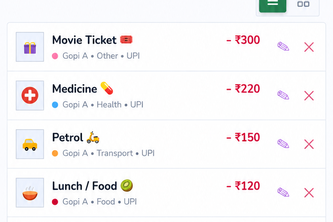
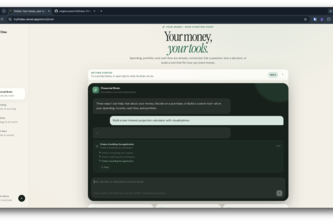
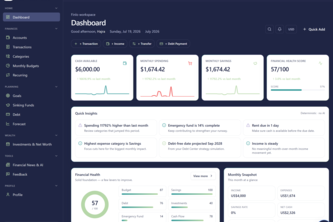
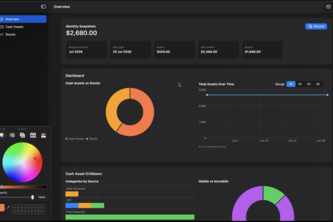
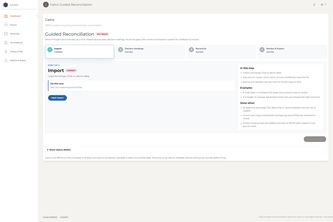
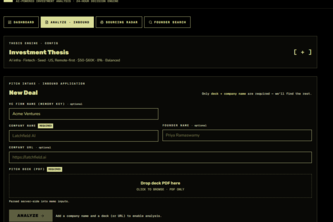
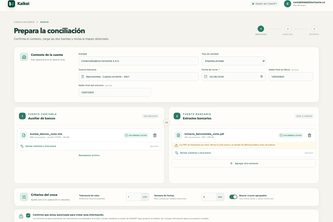
This page collects AI finance and fintech projects from the OpenAI 2026 hackathon on Devpost. Each one is a hackathon project with a self-reported description and a generated analysis, not a product in production. Together they show where builders see friction with money: budgets kept by chat or voice message, bank reconciliation and bookkeeping for small firms, tax preparation, investing tools that slow down impulsive trades, informal lending and savings groups, and payment rails for AI agents.
The hard part in finance is rarely the model. Data access comes through bank APIs, open-banking aggregators or exported statements, and each route limits coverage and freshness. Products that hold or move money, verify identity or extend credit must plan for licensing and rules such as KYC, AML and PCI DSS, which differ by country. Users also expect every figure to be right, so many of these projects compute amounts in ordinary code and use the model only to read, categorize or explain.
If one of these ideas is close to yours, start small: a clickable prototype to test the flow, then an MVP or a web app that works with one data source and one group of users. Nothing on this page is financial advice.
255 ideas in this list · 68 with at least one like · ranked by community likes, then comments
Frequently asked questions
- Do I need a license to launch an AI finance app?
- It depends on what the app does and where it operates. A budgeting tool that only reads data the user uploads carries lighter obligations than one that holds funds, moves money, gives investment advice or makes credit decisions. Those activities are usually regulated, and products that touch them must plan for KYC, AML and, for card data, PCI DSS. Many founders start with a licensed partner, such as a bank or payments provider, and get advice from a lawyer who knows the target market.
- How do AI finance apps get access to bank data?
- There are three common routes: open-banking or aggregator APIs that connect to the user's accounts with consent, imports of CSV, PDF or OFX statements, and manual entry by text, voice or receipt photo. Many projects on this page use imports or manual entry, which avoids an aggregator contract and can keep data on the device. APIs give fresher data but add cost, coverage gaps by country and a consent flow to design.
- Can a language model be trusted with financial numbers?
- Not on its own. A model can misread a statement or get arithmetic wrong, and in finance a small error costs trust quickly. A common pattern in these projects is to compute balances, taxes and totals in ordinary code, use the model to extract, categorize and explain, and show the source of each figure so a person can check it. Plan for a review step and for tests built on real, anonymized documents.
- What should the first version of an AI finance product include?
- One group of users, one job and one data source: for example, freelancers in one country reconciling a single bank account, or households tracking spending from receipt photos. Leaving money movement, advice and credit out of the first version keeps the regulatory scope smaller while you learn whether people come back. Ask for consent and protect stored financial data with encryption and access logs from the start, since adding them later is harder.
Source: openai.devpost.com project gallery.
An independent guide by KFG International LLC — not affiliated with, endorsed by, or connected to Devpost or OpenAI.
Are you the author of a project listed here? Request removal or a correction (support@kfginternational.com). Requests from authors are acted on within 48 hours, and in any case within seven days. Privacy notice.